PADDLEBOARDING THE WHANGANUI RIVER
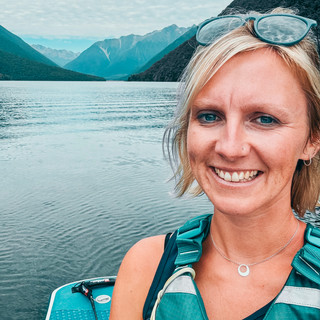
The Whanganui river is a living river with a deep identity and history. The river begins on Mount Tongariro and winds 290km until it meets the Tasman Sea. It was the first river in the world to be recognised as a legal person back in 2017. This has since inspired more rivers to gain personhood status across the world. Not only is this representative of the river’s deep connection to the Maori people, it is also a unique and beautiful way to help protect our waterways.

Ever since moving to New Zealand, I had been desperate to paddleboard down the Whanganui - New Zealand's only Great Walk that is not a walk, but a paddle. Working at MD Outdoors, an outdoor shop in Nelson, every summer I saw the flood of Te Araroa walkers into the shop. When I asked about their highlights of the North Island, they talked fondly about canoeing down the Whanganui.
Small rapids, incredible scenery, campsites that you can paddle into - this would be an amazing stand up paddleboarding (SUP) expedition. It surprised me how few had attempted it on a board. As a girl whose idea of a good time on a paddleboard is clocking up the kms , this was a river welcoming me with open arms.
I called up some friends and told my boyfriend, who had barely been paddleboarding for more than five minutes, that he was coming so he better start training. We settled on the most picturesque section through the heart of Te Awa Tupua (the Whanganui River) - 90km from Whakahoro to Pipiriki. We booked our campsites for the end of April 2026, and that was it, it was happening.
Then, disaster struck. The fuel crisis hit. The rain started. The flooding in the Whanganui area was devastating, which started two weeks before our trip. I was obsessively checking the river levels every day. Usually in summer, the water level is an average of 1m. Ten days to go, it was at 9m.
But I just had this feeling we were going to get away with it. The sun came out, the rain stopped and the water levels were dropping one meter per day. We knew that if it reached two meters, this would be comfortable for us to handle on a paddle board. We spoke to the operators on the river, to DOC, to locals, and we were good to go. The river was measuring 2m, the debris had flowed through, the forecast was sun, no rain or wind. The Whanganui was inviting us in for a paddle.

Day 1 - 36km
Whakahoro to John Coull Hut/Campsite
We started at 6am pumping up our boards in the dark. Our shuttle guy was both amazed and amused at our choice of craft. He couldn’t stop knocking the boards, impressed at their sturdiness.
The mist was a sign of mornings to come. When it burned off and the sun hit the water, the whole river just sparkled! I hadn’t thought too much about the paddle itself and yet, here we were, paddling through this big native forest, moss-draped rock faces, and fern walls. The river was filled with bird song, echoing off the steep cliffs around us. I had never seen so many pīwakawaka, who danced around us.

With the receded flood, we could see the damage it left behind when the water had raged through. Banks washed away, trees down, endless thick mud - it will need the winter to recover.
With a fuller river, we were moving at a very good pace, but it also meant that some of the features were more flooded. Three of us are SUP coaches and one has no fear, so we soon settled into its flow. The river teased us with boils and whirlpools wanting to grab hold of the boards and give us a cheeky nudge into the water. But it only succeeded once in the three days!
We paddled up into the John Coull campsite. With a stunning spot right on the river’s edge, we set up tents, made cocktails (essential), ate our Real Meals and dried our clothes by the fire in the hut. Perfect.
Day 2 - 33km
John Coull Hut/Campsite to Tieke Kāinga Hut/Campsite

Day two takes you through some of the most dramatic gorges on the river, with gorgeous waterfalls tumbling down along the steep cliffs either side of you. After a misty morning, it was a nice break from standing on the boards to walk to the historic Bridge to Nowhere. A huge concrete bridge hidden deep in the forest built for a settlement that never survived. Definitely worth the hour walk for a sunny lunch spot with epic views.
Back on the water, the flow was slowing and the rapids were easy to handle - mellow and well spaced out. Tieke Kāinga was our next campsite, and wow - what a spot! A beautifully manicured clearing overlooking the river, surrounded by banana trees. With a marae here, in summer you may be invited to participate in a pōwhiri (welcome). As we were at the end of the season, no one was here but it felt like a special place. Another evening of big meals, cards and a great night’s sleep.

Day 3 - 22km
Tieke Kāinga to Pipiriki
Only 22km today, we thought! The river had slowed right down as it widened and the water levels dropped. This was a day of more big scenery, with steeper gorges and faster flowing rapids. The biggest rapids of the trip were the 50/50 rapids (grade 2) at Ngaporo campsite. It was bouncy, fun and 100% dry!
We had only seen one kayak and one canoe over the last two days, yet we were suddenly heading towards civilisation. There was a regular rush of jetboats creating lots of wake for us to ride! Before we knew it, the lush green forest gave way to open farmlands signalling our arrival at Pipiriki. This has to be the hardest part of the whole paddle, carrying gear and boards through knee deep mud!
Since our paddle down the Whanganui River, I have thought a lot about this river. It felt like we disappeared into another world away from everyone and everything. The river felt full of life, full of memories and you couldn’t help but feel its spirit. “Ko au te awa, ko te awa ko au.” I am the river and the river is me. Thank you for having us, it was a privilege.

route
PADDLING INFO for the whanganui river
RATING |
|
ROUTE & conditions |
|
WHERE TO PARK & LAUNCH |
|
WHERE TO EAT & DRINK |
|
WHERE TO SLEEP |
|
LOCAL INFO |
|
WEATHER
I use Windy, Wind Finder, Met Service and NIWA check the weather and wind.
Until next time, happy paddling!

Comments